Quick answer: The 2026 memory squeeze is no longer just a problem for people building desktop PCs. Higher prices for conventional DRAM, mobile LPDDR and AI-focused high-bandwidth memory are pushing up component costs across the electronics industry. Phone makers may respond with higher prices, fewer aggressive discounts or smaller memory upgrades, while graphics-card vendors face pressure from GDDR6/GDDR7 costs and the broader competition for advanced memory production. That does not mean every phone or GPU will suddenly become 30% more expensive—the final retail effect depends on contracts, inventory, competition and the rest of the bill of materials.
If you have been watching memory prices and wondering why an AI server in a data center can affect the phone in your pocket, the connection is real—but it needs a careful explanation. “RAM” is a family of products, not one interchangeable chip. A gaming PC uses DDR5, a phone commonly uses LPDDR5X, a graphics card carries GDDR6 or GDDR7, and AI accelerators use HBM. They differ substantially, yet they share suppliers, fabrication investment, engineering talent and parts of the upstream production chain.
What is driving the 2026 memory-price increase?
The biggest force is the extraordinary appetite for AI infrastructure. Modern accelerators need large stacks of high-bandwidth memory close to the processor. TrendForce reported in June that HBM wafer starts were expected to represent about 22% of total DRAM wafer starts by the end of 2026, up from 18% in 2025. It projects the share could approach 30% by the end of 2027. The exact mix will change, but the direction is clear: more valuable manufacturing capacity is being directed toward server and AI products.
HBM does not simply replace desktop or mobile RAM one-for-one. It uses specialized stacking, packaging and testing, and it consumes more wafer area per delivered bit than ordinary DRAM. However, the major memory producers must decide where to invest and which customers receive limited output. When AI customers sign large, long-term orders, consumer products have to compete for the remaining capacity.
Micron’s fiscal third-quarter 2026 update supports the demand side of that story. The company reported record results, discussed continuing HBM development, and said its newest 16Gb LPDDR5X had started a high-volume ramp at a leading smartphone maker. Samsung, meanwhile, announced commercial HBM4 shipments earlier in 2026 and described preparations for a projected surge in demand. These are not signs of an industry ignoring supply; they show suppliers racing to add advanced products while demand is moving even faster.
How higher memory costs can affect smartphones
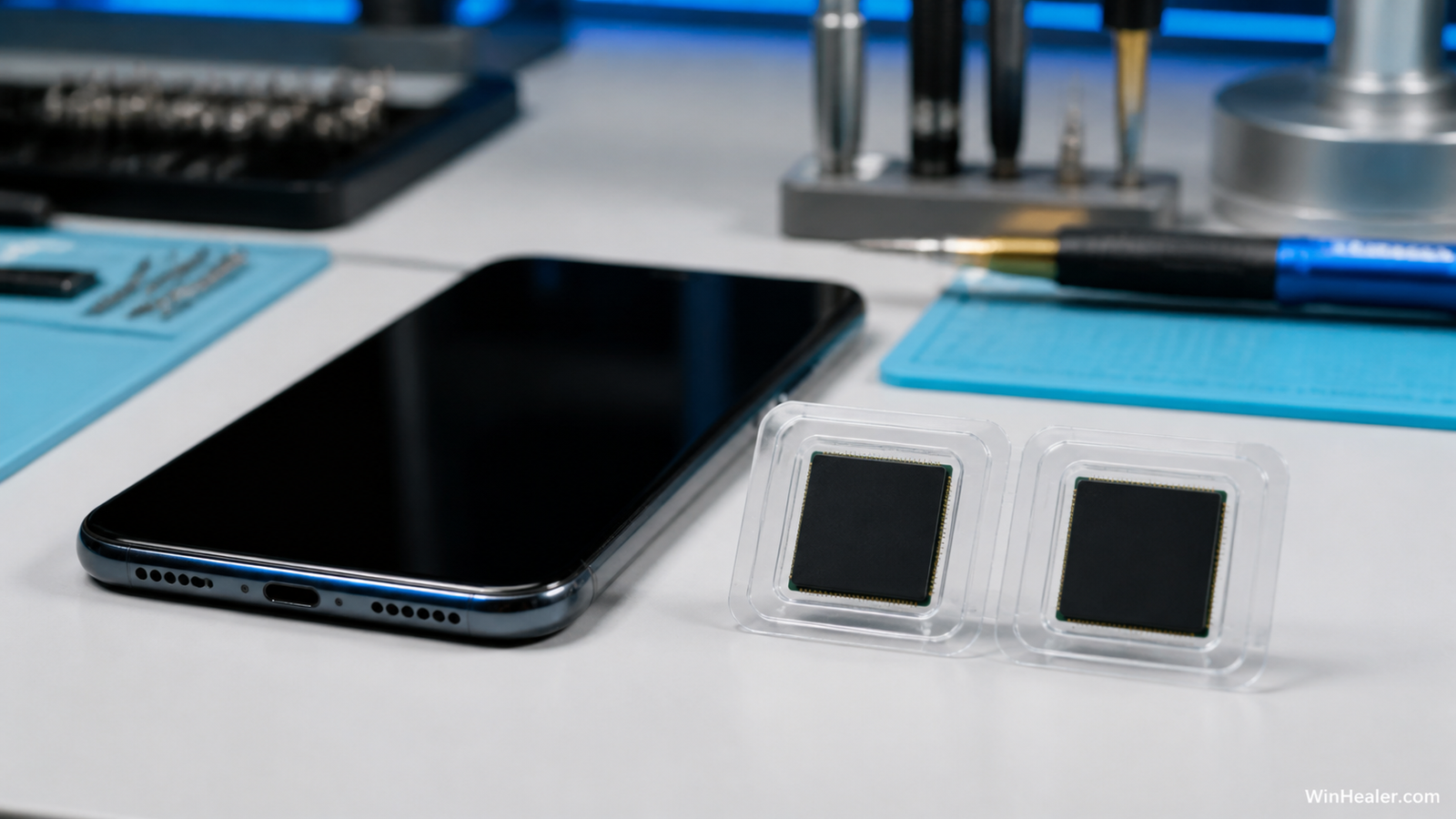
A modern phone normally includes two memory-related components: LPDDR working memory and NAND flash storage. The first holds active apps and operating-system data; the second stores photos, apps and files. Both influence a manufacturer’s cost, although their supply cycles are not identical.
TrendForce said rising mobile DRAM contract prices were already placing heavier cost pressure on smartphone brands in the second quarter of 2026. It still expected average smartphone DRAM capacity to reach about 8.5GB during the year, but warned that low-spec models were being phased out and that manufacturers had limited room to absorb higher memory costs indefinitely.
1. Flagship phones may become more expensive
Premium phones are increasingly marketed around on-device AI, high-resolution cameras and desktop-style multitasking. Those features benefit from more memory, so simply cutting RAM can weaken the product story. A flagship maker may therefore accept the higher component cost and raise the launch price, reduce trade-in incentives, or hold the phone at full price for longer.
Do not assume that a 20% rise in one chip creates a 20% rise in the whole handset. Memory is only one part of the bill of materials alongside the processor, display, cameras, battery, radios, mechanical parts, software and distribution. A brand can also hedge costs through long-term supply agreements. The effect is usually diluted—but it can still be visible when margins are already tight.
2. Midrange models could feel the squeeze most
The awkward part of the market is the affordable phone that is expected to offer 8GB or 12GB of RAM and generous storage. Buyers compare specification tables, yet the manufacturer has far less margin than it has on a flagship. That can produce compromises: a higher price, a 6GB base version, slower storage, fewer launch promotions, or the reuse of an older camera or processor to protect the memory configuration.
This is why shoppers should judge the complete device rather than treating RAM capacity as a score. Eight gigabytes paired with efficient software and fast storage can provide a better experience than a badly optimized phone advertising a larger number.
3. Entry-level phones may receive fewer upgrades
At the cheapest end, every dollar matters. If memory remains tight, brands may keep 4GB configurations alive longer in some regions, reduce the jump in storage between generations, or concentrate production on fewer models. That would not make basic phones unusable, but it could slow the progress buyers have become accustomed to.
4. Discounts may shrink before list prices rise
Retail pricing is often less dramatic than the headlines. A manufacturer can keep the same recommended price while cutting free accessories, trade-in bonuses or early discounts. The phone technically has not increased in price, but the amount the buyer actually pays has. When comparing generations, look at the final checkout cost—not only the launch MSRP.
What does this mean for graphics cards?
A graphics card does not use desktop DDR5 as its local video memory. Current consumer cards typically use GDDR6, GDDR6X or GDDR7, while data-center accelerators commonly use HBM. The markets are related, but they do not always move in lockstep.
TrendForce’s third-quarter 2026 outlook illustrates that nuance. It forecast conventional DRAM contract prices rising 13–18% quarter over quarter and continued tightness in mobile memory, yet it also noted softer demand in parts of the graphics DRAM market. In other words, a broad memory shortage can coexist with weaker demand for a particular type of graphics memory.
VRAM-heavy cards have more exposure
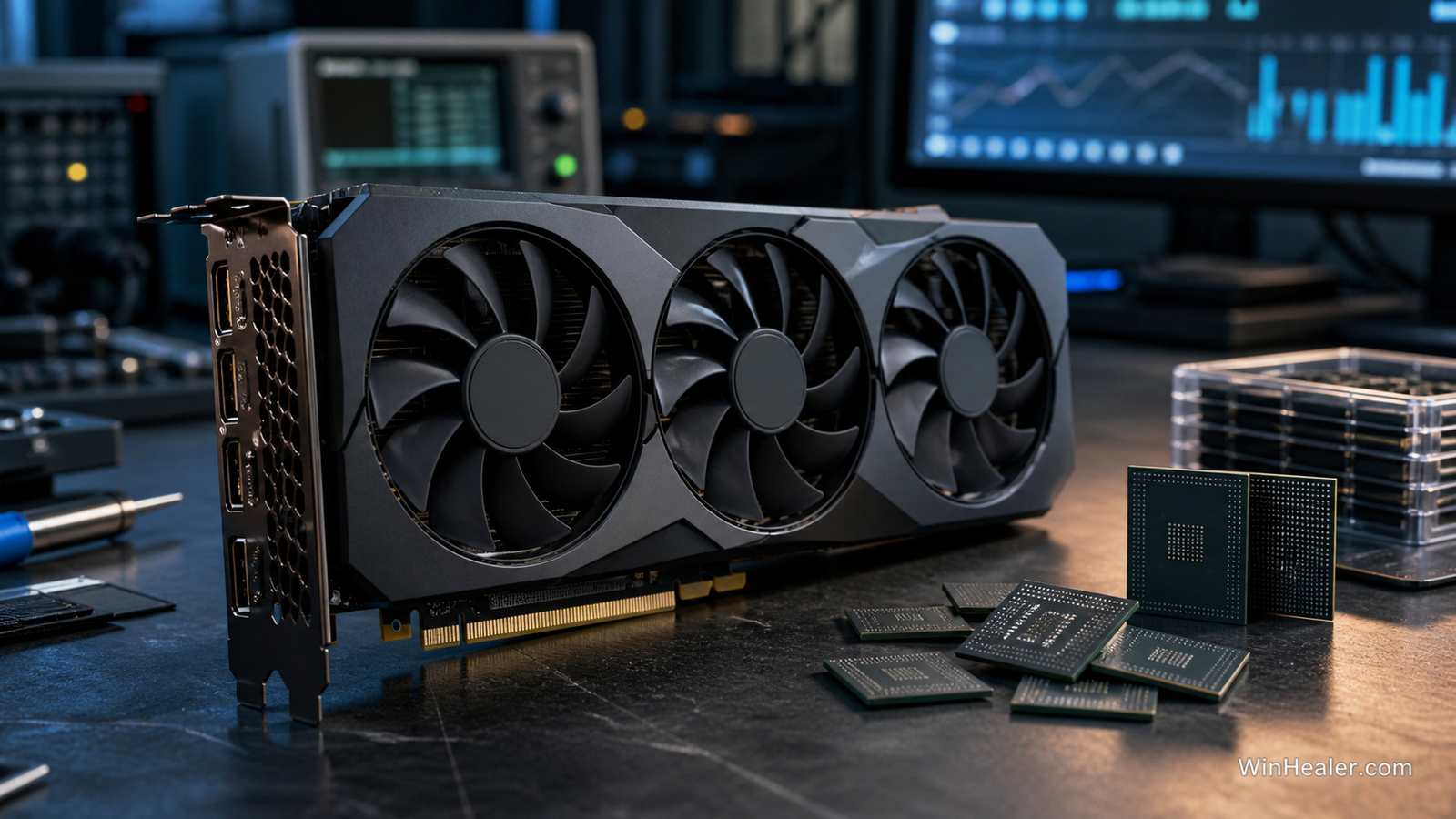
A 16GB graphics card contains twice as many memory bits as an otherwise comparable 8GB design. The memory packages, board layout and memory controller arrangement all affect cost. If GDDR contract pricing rises, models with larger VRAM pools have more absolute cost exposure. Vendors can respond by increasing board prices, narrowing the gap between variants or delaying unusually high-capacity models.
However, memory is not the only expensive part. The GPU silicon, advanced packaging, voltage regulation, cooler, PCB, logistics and retailer margin can outweigh the VRAM bill. It would therefore be misleading to blame every graphics-card price increase on “RAM.” Currency movements, tariffs, supply allocation and demand for a specific GPU can matter more.
AI demand can affect consumer GPUs indirectly
The clearest connection is strategic rather than physical. Memory companies earn attractive returns from HBM and server DRAM, while chip companies prioritize high-value data-center products. That influences capital spending and allocation across the ecosystem. Consumer graphics cards may not use the same memory stack, but they live in an industry whose most profitable customers are currently AI operators.
There is also a demand-side limit. Gamers will not pay any price simply because memory is scarce. If complete graphics cards become too expensive, sales slow, inventories rise and vendors may have to restore promotions. This is why forecasts should be treated as pressure indicators, not guaranteed retail-price predictions.
Should you buy a phone or graphics card now?
Buy when you need the device and the current price is reasonable; do not panic-buy solely because of a forecast. Memory markets are cyclical, retail inventories differ by country, and manufacturers negotiate contracts months before products appear on shelves.
- Phone buyers: If your current phone is reliable, waiting for a normal sale remains sensible. If you need a replacement, compare the real price of the previous generation with the new one. Last year’s flagship can be a better deal than a newly launched midrange model.
- GPU buyers: Decide the performance and VRAM capacity your games genuinely require. Track the price of specific models rather than a broad “GPU price” headline. Do not pay a large premium for extra VRAM that your resolution and workload will not use.
- PC builders: Price the entire build. An overpriced memory kit can be offset by a good CPU or SSD promotion, and the opposite is also true. A balanced machine is more useful than one component bought out of fear.
What could make memory prices cool down?
Several things could loosen the market: new fabrication capacity, better process yields, improved HBM stacking efficiency, slower AI infrastructure spending, weaker consumer demand or customers working through excess inventories. None happens instantly. A new memory fab takes years to plan and ramp, while changing the mix on an existing line still requires qualification and customer coordination.
The opposite risk is that AI demand continues rising faster than supply. TrendForce expects the memory devoted to HBM to keep expanding into 2027, while Micron and Samsung are moving newer generations into production. That points to continuing competition for capacity, even if individual contract-price increases moderate from the most extreme quarters.
The practical bottom line
Rising RAM prices in 2026 are likely to make phones and graphics cards more expensive at the margin, but the consumer impact will not be uniform. Smartphones are directly exposed through LPDDR and storage costs; budget and midrange models have the least room to hide those increases. Graphics cards face GDDR costs plus an indirect industry shift toward profitable AI products, but soft gaming demand can still restrain retail prices.
The smart response is boring—and that is a compliment. Ignore panic, compare the complete product, check real street prices and buy for your actual workload. The memory market may be turbulent, but a disciplined shopper does not have to become collateral damage.
Sources and methodology
This article was checked against current information available on August 12, 2026. Sources include TrendForce’s HBM capacity and pricing analysis, TrendForce/DRAMeXchange’s mobile DRAM report, its third-quarter 2026 memory outlook, Micron’s fiscal Q3 2026 results, and Samsung’s HBM4 production announcement. Market projections are estimates, not guarantees.