Gaming on Windows 11 can be an amazing experience, but sometimes even powerful PCs do not deliver the performance they should.
You may experience:
- FPS drops
- Game stuttering
- High input latency
- Slow game loading
- Random freezes
The good news is that you can improve gaming performance by changing a few Windows 11 settings without upgrading your hardware.
In this guide, I will share 15 Windows 11 settings that every PC gamer should optimize for better FPS, smoother gameplay, and improved system performance.
1. Enable Game Mode
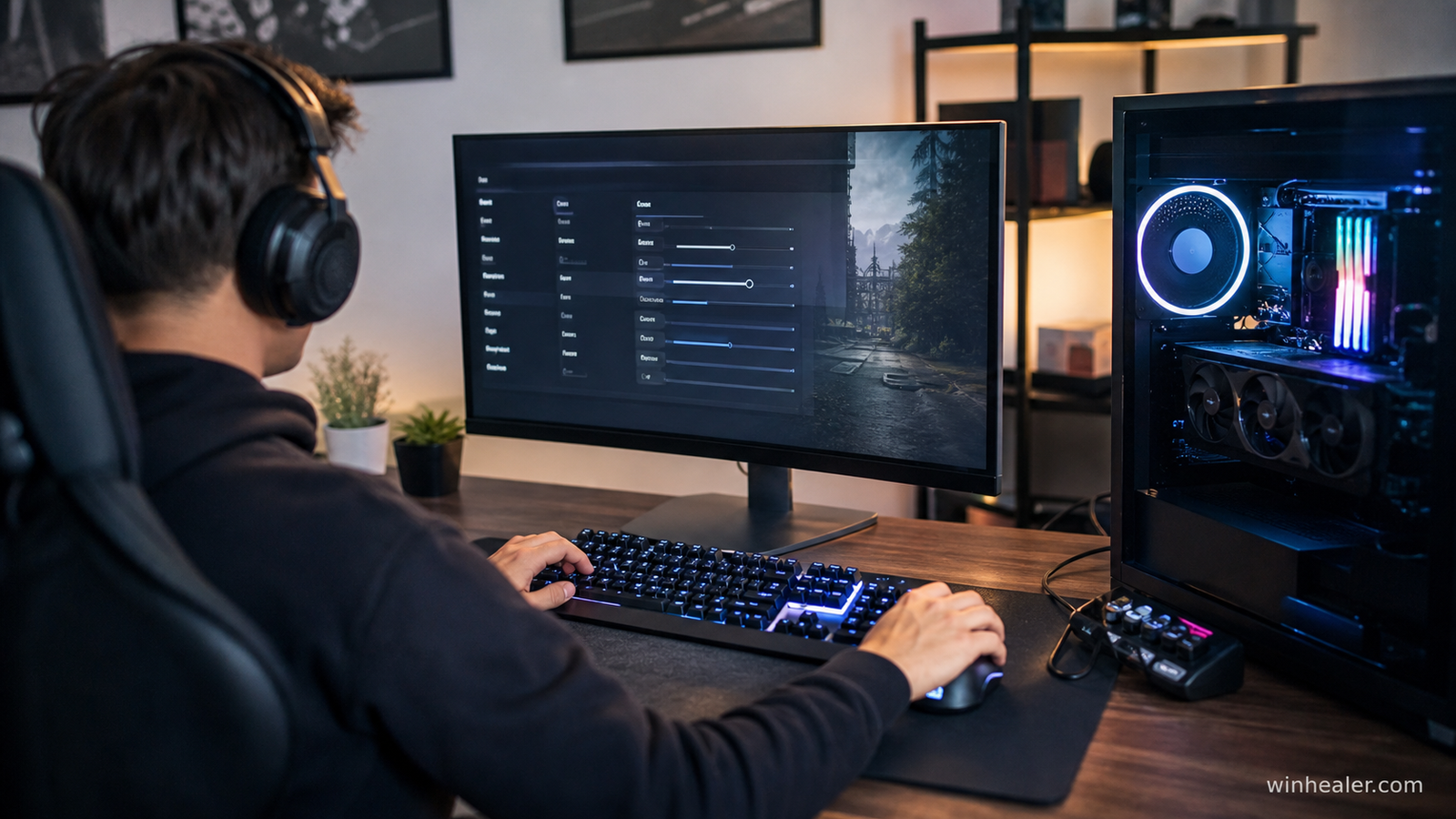
Windows 11 includes a built-in gaming feature called Game Mode.
It helps by:
- Prioritizing games
- Reducing background activity
- Improving resource management
How to Enable:
Go to:
Settings → Gaming → Game Mode
Turn:
Game Mode → ON
2. Enable Hardware-Accelerated GPU Scheduling (HAGS)
HAGS allows your GPU to manage video memory scheduling more efficiently.
Steps:
Go to:
Settings → System → Display → Graphics → Change Default Graphics Settings
Enable:
Hardware-Accelerated GPU Scheduling
Restart your PC.
3. Set Your Power Mode to Best Performance
Windows may limit performance to save power.
Steps:
Go to:
Settings → System → Power & Battery
Change:
Power Mode → Best Performance
This is especially useful for gaming laptops when plugged in.
4. Update Your Graphics Drivers
GPU drivers have a huge impact on gaming performance.
Always keep updated:
- NVIDIA GeForce drivers
- AMD Radeon drivers
- Intel Arc graphics drivers
New drivers often improve:
- FPS
- Game compatibility
- Stability
5. Disable Unnecessary Startup Apps
Programs running at startup use system resources.
Steps:
Open:
Task Manager → Startup Apps
Disable unnecessary programs.
Keep enabled:
- GPU software
- Antivirus
- Hardware utilities
6. Enable High Performance GPU for Games
Windows can sometimes choose the wrong graphics processor.
Steps:
Go to:
Settings → System → Display → Graphics
Add your game.
Select:
Options → High Performance
Choose your dedicated GPU.
7. Turn Off Background Recording
Windows Xbox Game Bar recording can reduce performance.
Steps:
Go to:
Settings → Gaming → Captures
Disable:
- Background recording
- Recorded audio (if not needed)
8. Optimize NVIDIA Control Panel Settings
For NVIDIA users:
Open:
NVIDIA Control Panel
Go to:
Manage 3D Settings
Recommended settings:
- Power Management Mode → Prefer Maximum Performance
- Low Latency Mode → On
- Texture Filtering Quality → Performance
9. Optimize AMD Radeon Settings
AMD users can adjust:
- Radeon Anti-Lag
- Radeon Boost
- Performance Mode
Enable features depending on your game requirements.
10. Disable Unnecessary Visual Effects
Windows animations consume resources.
Steps:
Search:
Adjust the appearance and performance of Windows
Select:
Adjust for best performance
This helps older PCs and low-end systems.
11. Keep Windows Updated
Updates can include:
- Gaming improvements
- Security fixes
- Driver improvements
However, if a new update causes problems, wait for fixes before installing.
12. Enable SSD Optimization
Games load much faster from SSD storage.
Make sure:
- Games are installed on SSD
- SSD has enough free space
- Storage optimization is enabled
Go to:
Settings → System → Storage → Drive Optimization
13. Close Background Applications While Gaming
Before starting a demanding game, close:
- Browsers with many tabs
- Download managers
- Unused launchers
- Heavy applications
This frees:
- RAM
- CPU resources
- Disk usage
14. Adjust Mouse Settings for Competitive Gaming
For FPS games, disable mouse acceleration.
Steps:
Go to:
Settings → Bluetooth & Devices → Mouse → Additional Mouse Settings
Open:
Pointer Options
Disable:
Enhance Pointer Precision
This provides more consistent mouse movement.
15. Monitor CPU and GPU Temperatures
High temperatures can reduce performance.
Monitor:
- CPU temperature
- GPU temperature
- Fan speeds
- Clock speeds
If temperatures are too high:
- Clean dust
- Improve airflow
- Adjust fan curves
- Replace thermal paste if necessary
Extra Tips for Maximum Gaming Performance
For the best experience:
✔ Use dual-channel RAM
✔ Enable XMP/EXPO in BIOS
✔ Install games on SSD
✔ Keep GPU drivers updated
✔ Use a wired internet connection for competitive gaming
✔ Remove unnecessary background software
My Personal Recommendation
From my experience building and optimizing gaming PCs, the biggest performance improvements usually come from:
- Updated GPU drivers
- Correct power settings
- Removing unnecessary background programs
- Keeping temperatures under control
You do not always need expensive hardware to improve gaming performance. Proper Windows optimization can make a noticeable difference.
Final Thoughts
Windows 11 is already a powerful gaming platform, but the default settings are not always optimized for maximum performance.
By changing these 15 settings, you can improve:
✔ FPS stability
✔ Game loading speed
✔ System responsiveness
✔ Input latency
✔ Overall gaming experience
Whether you have a budget gaming PC or a high-end RTX-powered system, these optimizations can help you get the best performance from your hardware.
For more PC optimization guides, Windows fixes, gaming tips, and hardware updates, keep following WinHealer.