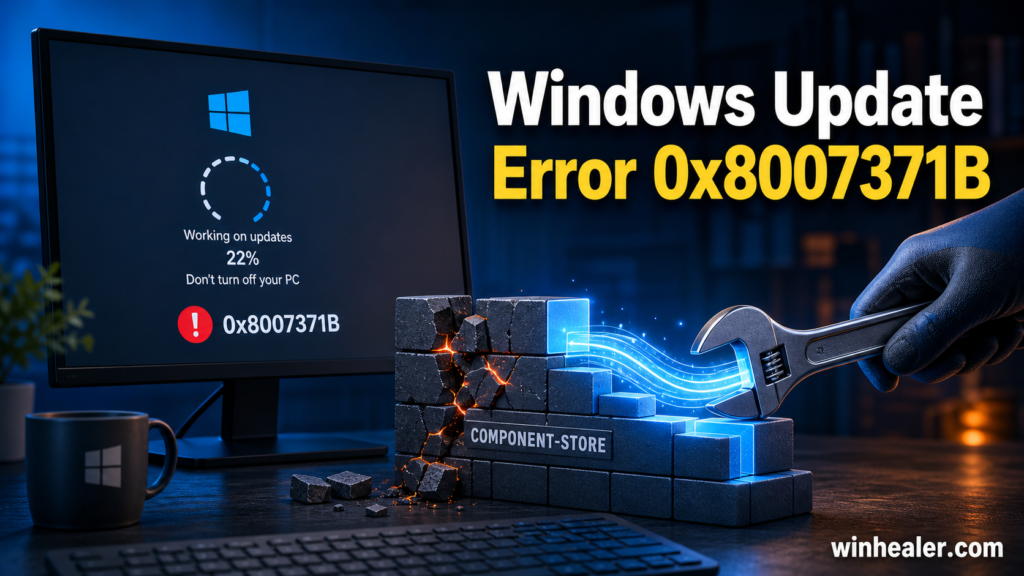
Windows Update is designed to keep your PC secure and running smoothly, but sometimes an update refuses to install and displays error 0x800F0920. While the error can look alarming, it is usually related to a problem with update compatibility, system files, or the Windows Update components.
In this guide, we’ll explain what the error means and walk through several practical solutions that can help you get Windows Update working again.
What Does Error 0x800F0920 Mean?
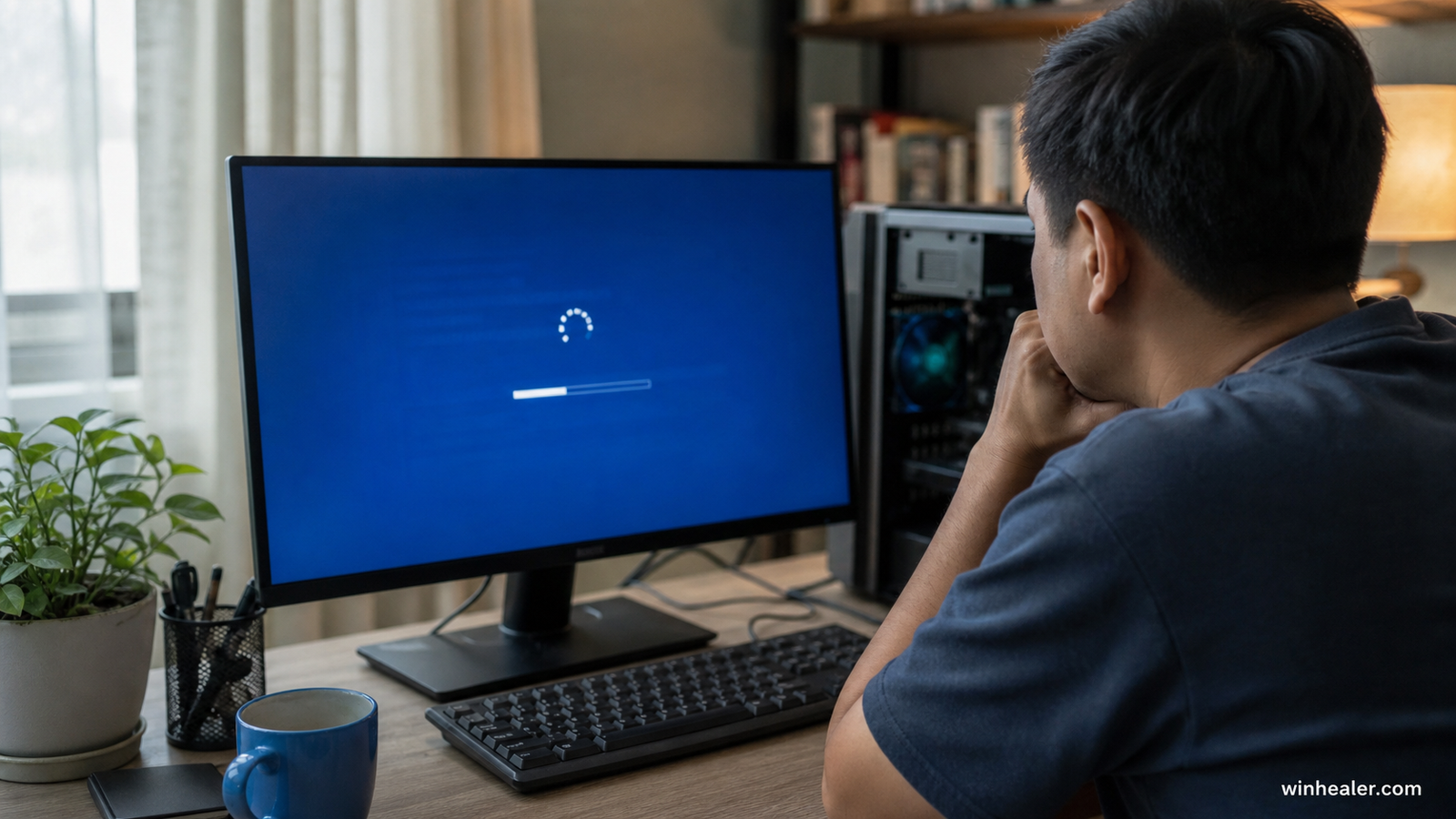
The 0x800F0920 error typically appears when Windows cannot complete the installation of an update. This may happen because of damaged system files, interrupted update services, insufficient reserved storage, or a temporary issue with Microsoft’s update servers.
Solution 1: Restart Your Computer
Before trying advanced fixes, restart your PC and run Windows Update again.
- Open Settings > Windows Update.
- Click Check for updates.
- Try installing the update again.
Sometimes a simple restart clears temporary files that interfere with the update process.
Solution 2: Run the Windows Update Troubleshooter
Windows includes a built-in troubleshooter that can automatically detect and repair common update problems.
- Open Settings.
- Go to System > Troubleshoot > Other troubleshooters.
- Find Windows Update.
- Click Run and follow the on-screen instructions.
Solution 3: Repair Corrupted System Files
Corrupted Windows files are a common cause of update failures.
Open Command Prompt as Administrator and run:
sfc /scannow
After it finishes, run:
DISM /Online /Cleanup-Image /RestoreHealth
Restart your computer once both commands complete.
Solution 4: Reset Windows Update Components
If the update cache has become corrupted, resetting Windows Update components often resolves the issue.
You can stop the Windows Update services, rename the SoftwareDistribution and Catroot2 folders, and restart the services. This forces Windows to download fresh update files.
Solution 5: Free Up Disk Space
Windows updates require enough free storage to download and install successfully.
To free up space:
- Delete temporary files.
- Empty the Recycle Bin.
- Remove unused applications.
- Use Storage Sense to clean unnecessary files.
Aim to keep several gigabytes of free space available before retrying the update.
Solution 6: Install the Update Manually
If Windows Update continues to fail, you can manually download the required update from the Microsoft Update Catalog.
Search for the update’s KB number, download the version that matches your system, and install it manually.
When Nothing Works
If the error persists after trying the above methods:
- Check whether the update has a known issue.
- Temporarily disable third-party antivirus software.
- Perform an in-place repair upgrade using the latest Windows installation media while keeping your files and apps.
Frequently Asked Questions
Is error 0x800F0920 dangerous?
No. It generally indicates that Windows could not install an update. It does not usually mean your computer is damaged.
Can I ignore the error?
It’s better to fix it. Missing security updates may leave your system vulnerable and prevent you from receiving future updates.
Will resetting Windows Update delete my files?
No. Resetting Windows Update components only clears the update cache and does not remove your personal files.
Final Thoughts
Windows Update error 0x800F0920 is frustrating, but it is often resolved by repairing system files, running the Windows Update troubleshooter, clearing the update cache, or manually installing the update. Work through the solutions one at a time, checking Windows Update after each step.
If the error still appears, note the update’s KB number and any additional error messages. That information can help identify whether the issue is specific to the update or your Windows installation.