Have you noticed that your Windows 11 PC has become slower after installing the latest update?
You are not alone. Many Windows users experience performance issues after major updates. Your computer may take longer to start, applications may open slowly, games may have FPS drops, or the system may feel less responsive.
In this guide, I will share the methods I personally recommend to improve Windows 11 performance after an update and bring your PC back to a smoother experience.
Why Does Windows 11 Become Slow After an Update?
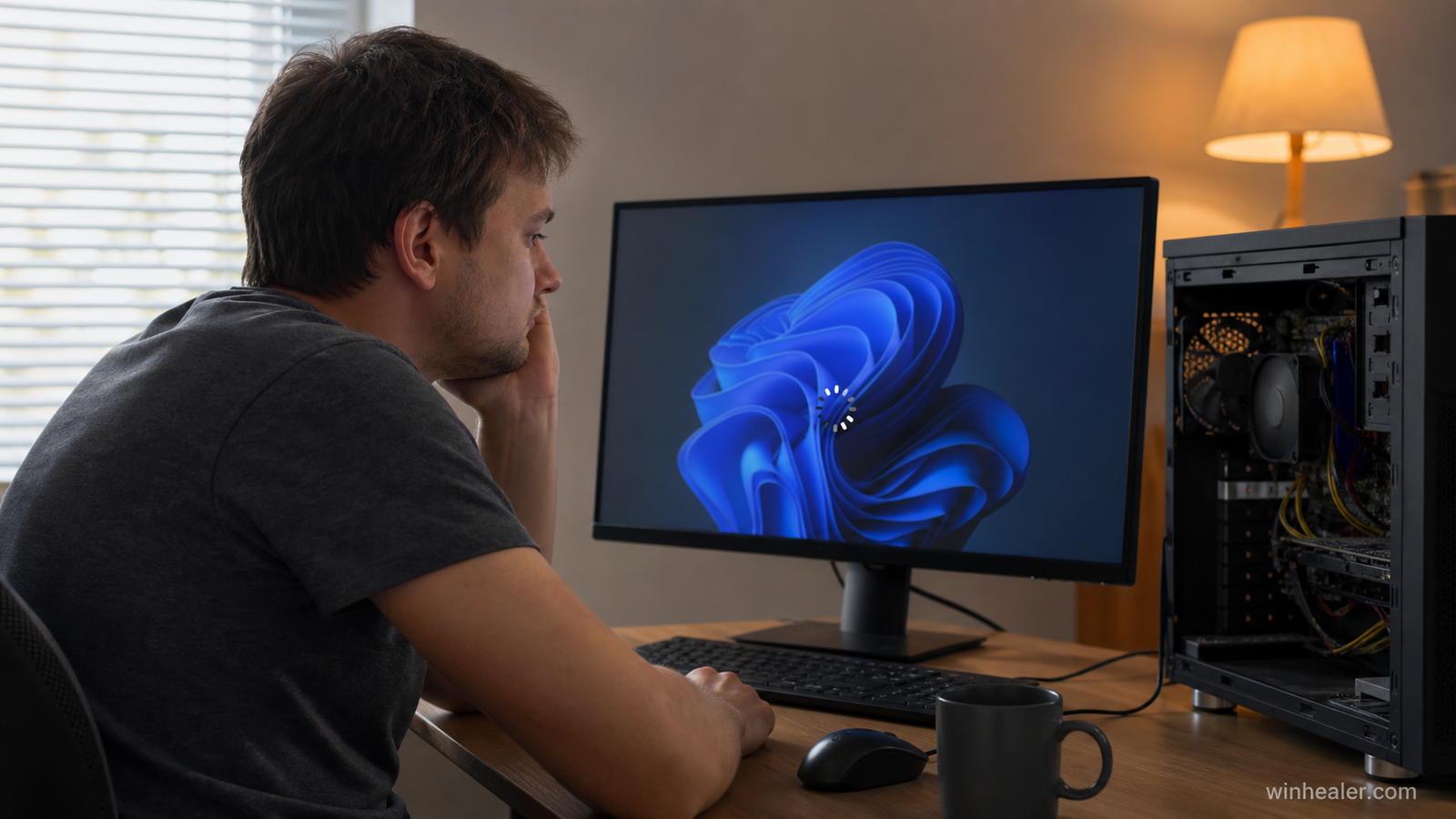
Windows updates are designed to improve security and performance, but sometimes they can temporarily affect system speed.
Some common reasons include:
- Background update processes running
- Old or incompatible drivers
- Too many startup applications
- Windows search indexing
- Temporary update files
- Low storage space
- High RAM usage
- Power settings changed after update
The good news is that most of these problems can be fixed easily.
1. Restart Your PC Properly
After a major Windows update, your system may continue installing files and optimizing settings in the background.
A simple restart can fix:
- Slow startup
- Temporary lag
- High CPU usage
- Update-related glitches
I always recommend restarting your PC once after installing a Windows update.
2. Check What Is Making Your PC Slow
Before changing settings, find the cause of the slowdown.
Press:
Ctrl + Shift + Esc
to open Task Manager.
Check:
- CPU usage
- Memory usage
- Disk usage
- Background applications
If one application is using too many resources, close it or uninstall it if unnecessary.
3. Disable Unnecessary Startup Programs
Many programs automatically start when Windows boots.
These programs can make your PC slower.
To disable them:
- Open Task Manager
- Click Startup Apps
- Disable programs you don’t need
Keep important programs enabled, such as:
- Antivirus
- Graphics drivers
- Hardware utilities
4. Update Your Drivers
After Windows updates, old drivers can cause performance problems.
Update:
- Graphics card drivers
- Chipset drivers
- Network drivers
- Audio drivers
For gaming PCs, always keep NVIDIA, AMD, or Intel graphics drivers updated.
A driver update can fix:
- FPS drops
- Screen freezing
- Game crashes
- Slow performance
5. Clean Temporary Windows Files
Windows stores temporary files that can increase after updates.
To clean them:
- Open Settings
- Go to System
- Select Storage
- Open Temporary Files
- Remove unnecessary files
This can free up storage and improve system responsiveness.
6. Enable High Performance Mode
Windows sometimes changes power settings after updates.
To improve performance:
- Open Control Panel
- Go to Power Options
- Select:
High Performance
For gaming PCs and powerful desktops, this can provide better performance.
7. Repair Damaged Windows Files
Sometimes update files can become corrupted.
Open Command Prompt as Administrator.
Run:
sfc /scannowAfter it finishes, run:
DISM /Online /Cleanup-Image /RestoreHealthThese tools automatically repair damaged Windows system files.
8. Reduce Background Applications
Some applications continue running even when you are not using them.
Disable unnecessary background activity:
Go to:
Settings → Apps → Installed Apps
Remove applications you no longer use.
This helps reduce:
- RAM usage
- CPU usage
- Battery drain
9. Check Your Storage Health
A slow SSD or hard drive can make Windows feel extremely slow.
Check:
- Available storage space
- Drive health
- Disk errors
Try to keep at least 15–20% free storage on your main Windows drive.
10. Adjust Windows Visual Effects
Windows animations look nice, but they use system resources.
To improve speed:
- Search for “Adjust the appearance and performance of Windows”
- Select:
Adjust for best performance
This is especially useful for:
- Older laptops
- PCs with low RAM
- Entry-level processors
Extra Tips for Gaming PCs
If you play games, try these:
- Enable Game Mode
- Update GPU drivers
- Close unnecessary apps while gaming
- Use SSD instead of HDD
- Enable XMP/EXPO for compatible RAM
- Check CPU and GPU temperatures
My Personal Recommendation
From my experience, the biggest reasons behind slow Windows 11 performance after updates are usually:
- Outdated drivers
- Too many startup applications
- Low storage space
- Background processes
Before reinstalling Windows, try these optimization methods first. In many cases, you can restore your PC’s speed without losing your files.
Final Thoughts
Windows 11 updates are important for security and new features, but sometimes they can affect system performance.
If your PC becomes slow after the latest update, don’t immediately reset Windows. Follow the steps above:
✔ Update drivers
✔ Clean temporary files
✔ Disable unnecessary startup apps
✔ Repair Windows files
✔ Optimize performance settings
With proper maintenance, even older PCs can run Windows 11 smoothly.
For more Windows fixes, PC troubleshooting guides, hardware news, and gaming optimization tips, follow WinHealer.